
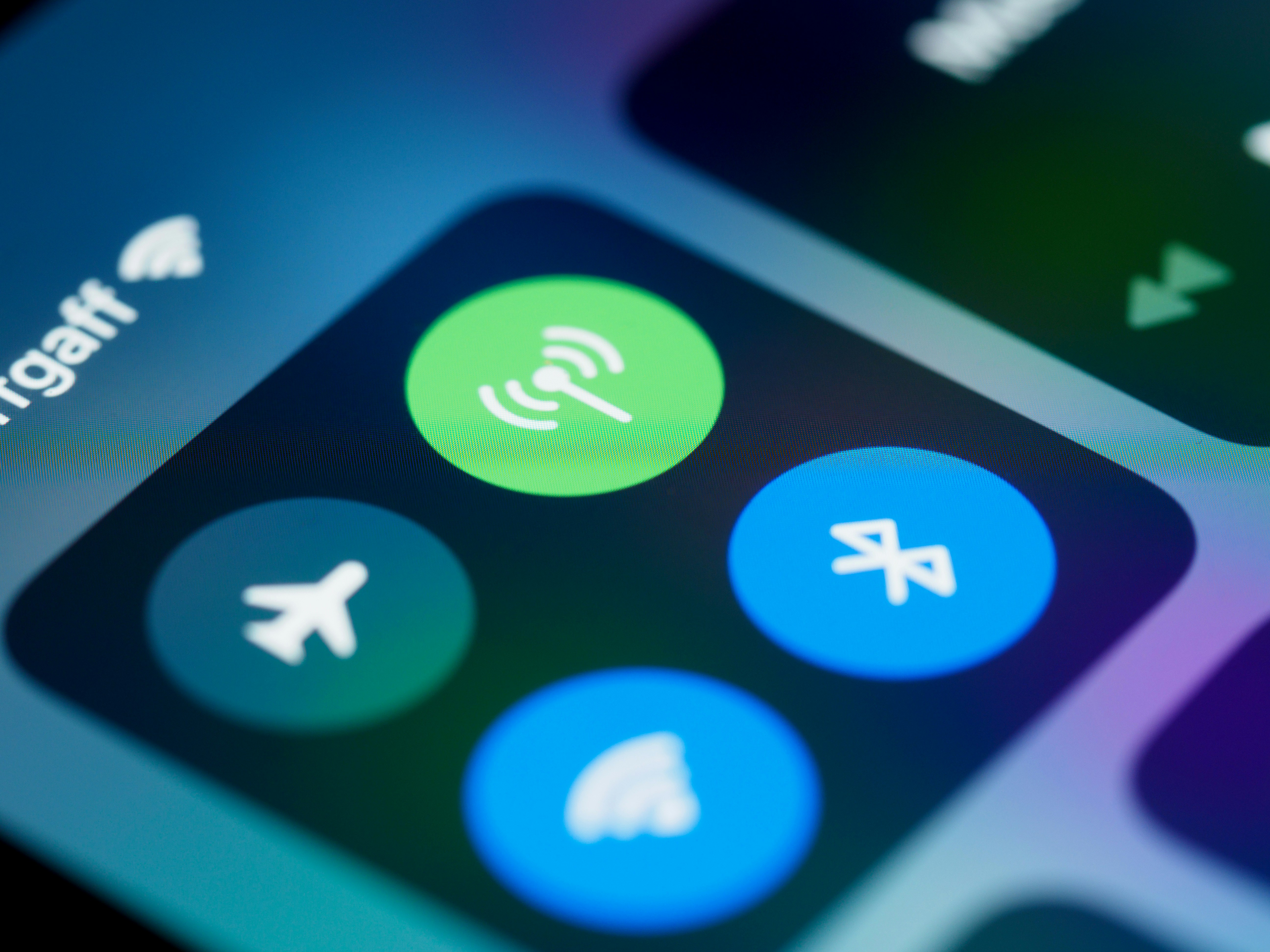
Understanding Wi-Fi Hacking Apps
Wi-Fi hacking apps are software tools designed to analyze and exploit vulnerabilities in wireless networks. These applications can be employed on mobile phones, allowing users to conduct various security assessments or, in more nefarious contexts, to gain unauthorized access to Wi-Fi networks. The primary function of these apps is to identify weaknesses in network security protocols and potentially facilitate access to networks that users do not own or have permission to access.
There are several types of Wi-Fi hacking apps available on the market, each with distinct functionalities. Some apps focus on network analysis, providing users with detailed information about available networks, signal strength, and encryption methods, while others are specifically designed to breach these networks using techniques like packet sniffing or brute force attacks. Additionally, certain tools are targeted towards assessing the overall security of a network, making them valuable for ethical hackers and cybersecurity professionals.
The motivations behind utilizing Wi-Fi hacking apps can vary widely among individuals. For some, the intention is rooted in security testing; ethical hackers and cybersecurity enthusiasts often use these applications to identify vulnerabilities in their own networks to thwart malicious attacks. Others may approach these tools out of sheer curiosity, wanting to understand how wireless networks operate and what weaknesses they may hold. Conversely, there exists a segment of users who resort to these apps for malicious activities, such as stealing internet access, compromising personal information, or carrying out more serious cybercrimes.
In conclusion, Wi-Fi hacking apps encompass a range of functionalities and motivations, from legitimate security testing to more dubious uses. Understanding their operation and implications is crucial as the prevalence of these applications rises in our technology-driven world.
Potential Risks and Threats Posed by Wi-Fi Hacking Apps
The emergence of Wi-Fi hacking apps has raised significant concerns regarding the security of mobile devices and personal data. These applications, often marketed as tools for testing network security, pose serious risks when used with malicious intent. One of the primary dangers lies in their potential to expose smartphones and tablets to various forms of malware. When users install these apps, they may inadvertently grant permissions that allow harmful software to infiltrate their devices, leading to data breaches and loss of sensitive information.
Furthermore, the use of Wi-Fi hacking apps can facilitate identity theft. By exploiting unsecured networks, hackers can intercept information such as login credentials, financial data, and personal messages, all of which can be utilized for fraudulent activities. In many cases, individuals may not even be aware that their information is being compromised until it’s too late. This risk is exacerbated by the increasing reliance on public Wi-Fi networks, which are inherently less secure and more susceptible to such attacks.
Beyond personal ramifications, the broader implications on networks pose further challenges. When individuals connect to compromised networks, they inadvertently contribute to a cycle of vulnerability that affects multiple users. A compromised network can serve as a platform for hackers to launch further attacks, affecting not only the initial victim but also anyone else who connects to the same network. The potential for widespread disruption or data misappropriation underscores the need for heightened awareness and caution when considering the use of Wi-Fi hacking apps.
Legal and Ethical Considerations
The use of Wi-Fi hacking applications raises significant legal and ethical questions that are critical to understanding the broader implications of unauthorized network access. Legally, accessing a secured Wi-Fi network without permission is classified as a violation of computer security laws in many jurisdictions. In the United States, for example, the Computer Fraud and Abuse Act (CFAA) provides stringent penalties for unauthorized access, which can include hefty fines and imprisonment. Similar laws exist across various countries, reflecting a global consensus on the importance of protecting digital privacy and security.
Unauthorized use of Wi-Fi networks not only jeopardizes personal data security but also exposes individuals to potential civil lawsuits. Network owners may pursue legal actions against individuals using such hacking applications to disrupt or exploit their systems. As such, engaging with these apps may lead to severe repercussions for individuals, making it vital for users to recognize the legality of their actions.
Furthermore, the ethical implications of Wi-Fi hacking applications are complex and multifaceted. Some argue that hacking can serve benevolent purposes, such as discovering vulnerabilities in networks to strengthen their defenses. This perspective posits that ethical hacking, often recognized as white-hat hacking, can contribute positively to cybersecurity by exposing flaws and improving protective measures. However, this justification does not apply to unauthorized access for malicious intent, whereby individuals exploit networks for theft, fraud, or other criminal activities.
Consequently, the distinction between ethical hacking and malicious hacking is essential. Ethical hackers operate within legal frameworks and are often employed to conduct security assessments, whereas those using Wi-Fi hacking apps for unauthorized purposes violate legal and moral boundaries. Understanding these aspects is crucial for embracing cybersecurity in a responsible and informed manner, aligning actions with both legal standards and ethical considerations.
Preventive Measures and Security Best Practices
In the ever-evolving digital landscape, implementing preventive measures to secure mobile phones is crucial to mitigate the risks associated with Wi-Fi hacking apps. One of the fundamental steps is to utilize strong, unique passwords for all accounts and devices. A robust password should contain a mix of letters, numbers, and special characters, and it is advisable to change these passwords regularly. This helps in thwarting unauthorized access that might stem from vulnerabilities exploited by hacking applications.
Regularly updating software is another essential practice for enhancing security. Software updates frequently include patches that fix security flaws, making them a vital component of mobile device safety. Users should ensure that their operating systems and applications receive updates promptly to protect against newly discovered threats.
Employing Virtual Private Network (VPN) services is highly recommended for individuals who frequently connect to public Wi-Fi networks. A VPN encrypts internet traffic, shielding data from potential interception and serving as an effective barrier against malicious hacking apps. Users should verify the reliability of the VPN service chosen, ensuring it adheres to strict privacy standards.
Moreover, caution must be exercised when connecting to public Wi-Fi. Before connecting, it is wise to ensure the network is legitimate and secured. Users should avoid accessing sensitive information, such as banking details, over unfamiliar networks unless they are confident in the network’s security measures.
In addition to these practices, users should remain informed about the latest security threats related to Wi-Fi hacking apps. Awareness can empower individuals to make informed choices about their online security. Simple measures taken today can significantly reduce the risk of becoming a victim of phishing attacks or unauthorized access.




Add comment
You must be logged in to post a comment.